
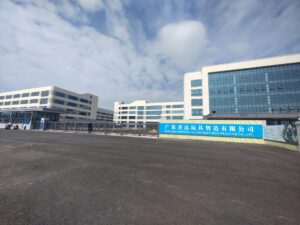
Inside a Modern Manufacturing Facility: Building Quality Through Precision and Efficiency
In today’s highly competitive global market, manufacturing excellence is no longer defined solely by production capacity. Customers increasingly seek suppliers that combine advanced technology, strict quality standards, efficient workflows, and dependable delivery performance. A modern manufacturing facility represents the foundation of this commitment, ensuring products are produced consistently, efficiently, and according to customer specifications.
Our manufacturing operation is designed to support large-scale production while maintaining attention to detail at every stage of the process. From raw material management to final product inspection, every production step is optimized to deliver reliable quality and long-term customer value.
A Purpose-Built Manufacturing Environment
The manufacturing campus is built to accommodate modern industrial operations, providing ample production space, streamlined logistics flow, and room for future expansion. The facility integrates production workshops, quality control areas, warehousing, administrative offices, and technical support departments into a coordinated operational system.
A well-organized production environment offers several advantages:
- Improved workflow efficiency
- Reduced production bottlenecks
- Better material handling management
- Enhanced employee productivity
- Greater consistency in manufacturing outcomes
- Improved quality assurance monitoring
By maintaining a structured manufacturing layout, production teams can respond quickly to customer requirements while ensuring stable production schedules and delivery timelines.
Advanced Production Lines for Consistent Manufacturing
At the core of the facility are professionally organized production lines designed to support efficient assembly and manufacturing operations. Production workstations are strategically arranged to minimize unnecessary movement and maximize workflow efficiency.
Each workstation follows standardized operating procedures to ensure consistency throughout the manufacturing process. Operators receive ongoing training to maintain production accuracy and uphold quality standards across all manufacturing stages.
Key advantages of our production line management include:
Standardized Production Processes
Every production step follows documented procedures to reduce variability and improve product consistency. Standardization helps maintain uniform quality regardless of production volume.
Improved Production Efficiency
Efficient workstation layouts and streamlined material flow help reduce cycle times and improve overall manufacturing productivity.
Scalable Manufacturing Capacity
The facility is designed to accommodate both small-batch and large-volume production requirements, allowing flexibility for different customer demands and market conditions.
Continuous Process Optimization
Manufacturing teams regularly evaluate workflow performance and identify opportunities for process improvements, helping increase efficiency while maintaining product quality.
Quality Control at Every Stage
Quality assurance is integrated into every phase of the manufacturing process rather than being limited to final inspection. This proactive approach helps identify and address potential issues before products move to subsequent production stages.
A comprehensive quality management system typically includes:
Incoming Material Inspection
Raw materials and components are inspected before entering production to ensure compliance with required specifications.
In-Process Quality Monitoring
Production personnel and quality inspectors conduct routine inspections throughout manufacturing operations to verify product conformity.
Final Product Verification
Before shipment, finished products undergo comprehensive testing and inspection procedures to ensure they meet customer requirements and industry standards.
Continuous Quality Improvement
Manufacturing data is analyzed regularly to identify trends, improve processes, and support ongoing quality enhancement initiatives.
This multi-layered approach helps minimize defects, improve consistency, and strengthen overall customer satisfaction.
Skilled Workforce Supporting Manufacturing Excellence
Technology and equipment are important, but experienced personnel remain essential to successful manufacturing operations. Skilled technicians, production operators, engineers, and quality specialists work together to maintain production efficiency and product reliability.
Employee development programs focus on:
- Technical skills enhancement
- Quality awareness training
- Process improvement initiatives
- Workplace safety standards
- Operational efficiency optimization
By investing in workforce development, manufacturers can better adapt to changing customer requirements and evolving industry standards.
Efficient Supply Chain and Inventory Management
Reliable manufacturing performance depends heavily on effective supply chain coordination. Modern inventory management systems help ensure materials are available when needed while reducing unnecessary inventory costs.
Effective supply chain management supports:
- Stable production schedules
- Faster order fulfillment
- Reduced lead times
- Better inventory visibility
- Improved customer responsiveness
Close collaboration with suppliers and logistics partners further enhances operational reliability and delivery performance.
Commitment to Workplace Safety and Operational Standards
A safe and organized working environment contributes directly to production efficiency and product quality. Manufacturing facilities implement workplace safety procedures designed to protect employees while supporting smooth operational performance.
Key safety initiatives often include:
- Standardized operating procedures
- Equipment maintenance programs
- Employee safety training
- Workplace organization systems
- Risk assessment and prevention measures
A strong safety culture helps reduce operational disruptions and supports sustainable manufacturing growth.
Supporting Global Customers Through Reliable Manufacturing
As global markets continue to evolve, customers require manufacturing partners capable of delivering consistent quality, competitive pricing, and dependable service. A modern manufacturing facility serves as the backbone of this capability, combining technology, skilled personnel, and efficient processes to meet diverse customer requirements.
Whether supporting OEM projects, private label production, customized solutions, or large-scale manufacturing programs, the facility is equipped to provide flexible production capabilities while maintaining strict quality standards.
Looking Toward the Future
Manufacturing continues to advance through automation, digitalization, and data-driven process optimization. By continuously investing in facility improvements, production technologies, workforce development, and quality management systems, manufacturers can remain competitive while delivering greater value to customers worldwide.
A commitment to innovation, operational excellence, and customer satisfaction ensures that modern manufacturing facilities remain prepared to meet the challenges and opportunities of the future.
Advanced Production Environment
Advanced manufacturing infrastructure focused on production efficiency, quality assurance, operational stability, and long-term reliability.

